%2Ffit-in%2F250x250%2Fusers%2Fe458cff1-f431-45d7-b4a6-cc34f630629d%2Fimages%2F4f17947d-90f5-4fcc-9ab7-5df85ce5e36c.jpeg&w=1920&q=100)
/users/e458cff1-f431-45d7-b4a6-cc34f630629d/ratecard/jacksonville-fishing-trip-family-mhv3kndb.png)
%2F300x300%2Fusers%2Fe458cff1-f431-45d7-b4a6-cc34f630629d%2Fratecard%2Fjacksonville-fishing-trip-family-mhv3kndb.png&w=256&q=75)
%2F300x300%2Fusers%2Fe458cff1-f431-45d7-b4a6-cc34f630629d%2Fimages%2Fflorida-fishing-cruise-tour-2624.jpeg&w=256&q=75)
%2F300x300%2Fusers%2Fe458cff1-f431-45d7-b4a6-cc34f630629d%2Fimages%2Ffishing-cruises-florida-2326.jpeg&w=256&q=75)
%2F300x300%2Fusers%2Fe458cff1-f431-45d7-b4a6-cc34f630629d%2Fimages%2Ffishing-fun-jacksonville-beach-3125.png&w=256&q=75)
%2F300x300%2Fusers%2Fe458cff1-f431-45d7-b4a6-cc34f630629d%2Fimages%2Fbest-great-fishing-adventure-fl-3159.jpg&w=256&q=75)
%2F300x300%2Fusers%2Fe458cff1-f431-45d7-b4a6-cc34f630629d%2Fimages%2Ffishing-fun-florida-seas-2862.jpeg&w=256&q=75)
%2F300x300%2Fusers%2Fe458cff1-f431-45d7-b4a6-cc34f630629d%2Fimages%2Fjacksonville-beach-aquatic-adventures-2322.jpeg&w=256&q=75)
%2F300x300%2Fusers%2Fe458cff1-f431-45d7-b4a6-cc34f630629d%2Fimages%2Ffishing-fun-in-florida-2761.jpeg&w=256&q=75)
%2F300x300%2Fusers%2Fe458cff1-f431-45d7-b4a6-cc34f630629d%2Fimages%2Ffishing-fun-florida-sun-2761.jpeg&w=256&q=75)
%2F300x300%2Fusers%2Fe458cff1-f431-45d7-b4a6-cc34f630629d%2Fimages%2Ffishing-tour-florida-2990.jpeg&w=256&q=75)
%2F300x300%2Fusers%2Fe458cff1-f431-45d7-b4a6-cc34f630629d%2Fimages%2Fbest-great-fl-cruises-fishing-2405.png&w=256&q=75)
Best Family Fishing Trips in Jacksonville
 Jacksonville
What you will be catching:
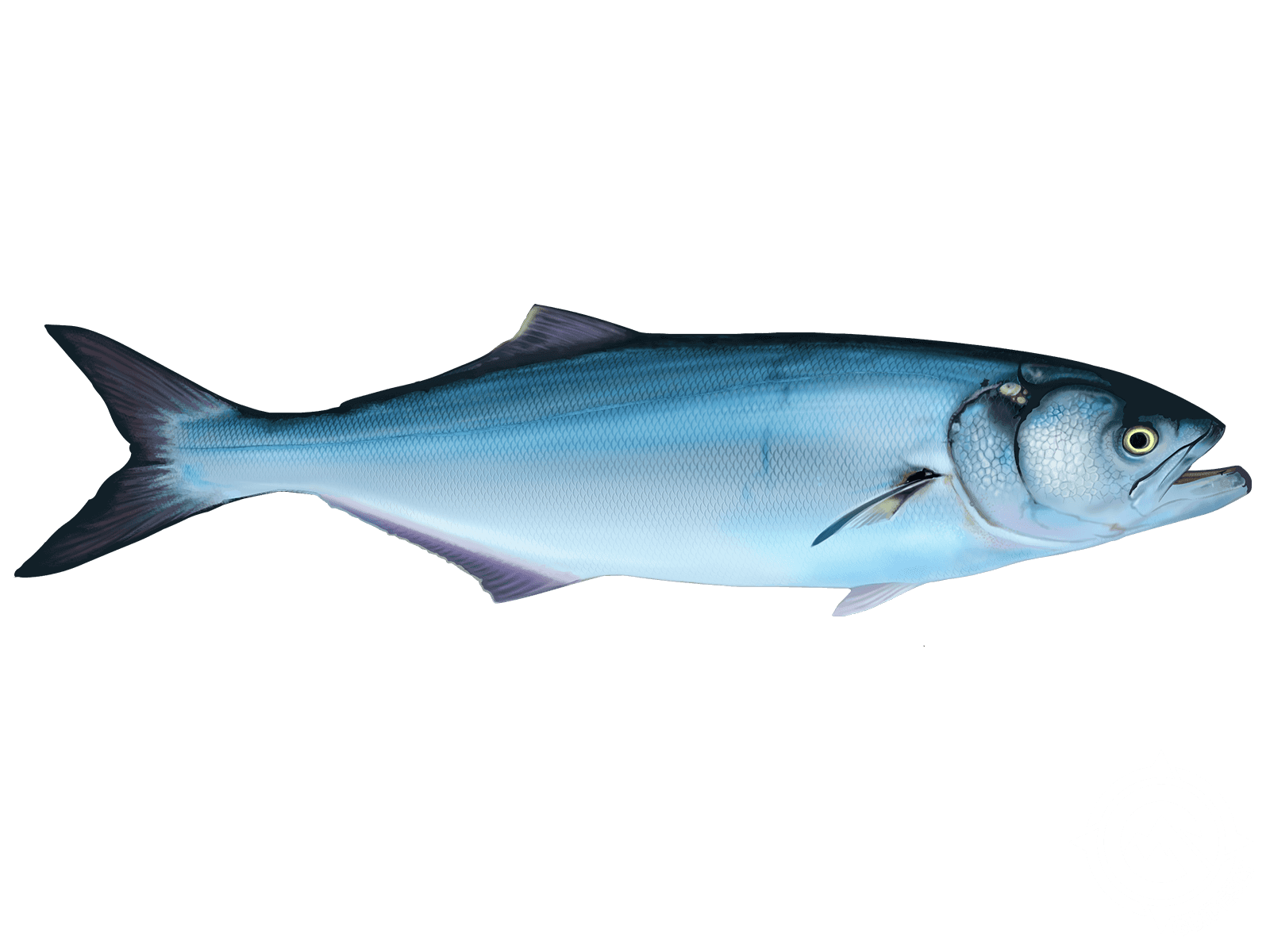
 Bluefish
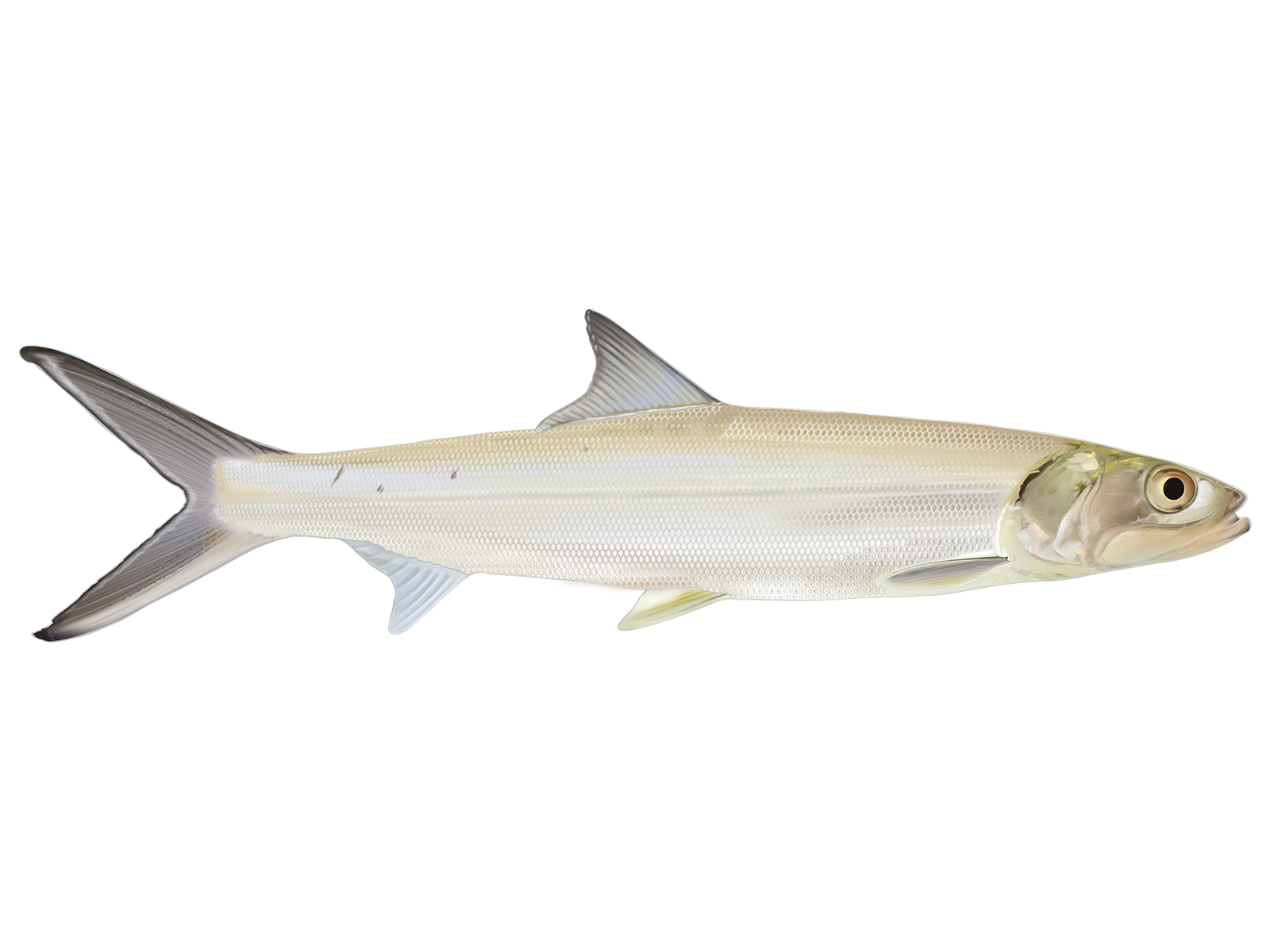 Ladyfish
 Redfish
 Sea Trout
 Summer Flounder
- Captain David brings decades of local Jacksonville knowledge to these family-friendly inshore fishing charters, perfect for introducing kids to the sport. Your group of up to 4 will learn proper techniques while targeting fish in Jacksonville's productive inshore waters. All fishing gear and licenses are included, so you just need to show up ready to fish. Kids get hands-on experience with different baits and learn to read the water while staying safe on our private charter. These educational trips focus on building fishing skills and confidence, making it a great way to spend quality family time on the water around Jacksonville.
Trip Pricing and Availabilities:
Family-Friendly Fishing Trips Jacksonville
Looking to get the kids hooked on fishing without the stress of crowded party boats or complicated gear? Captain David's family-friendly inshore charters are designed specifically for parents who want to share their love of fishing with the next generation. With decades of local knowledge and a knack for making even the most restless kids excited about their first catch, this Jacksonville fishing experience turns curious children into confident young anglers. Your private group of up to four gets personalized attention, kid-sized gear, and all the patience needed to make this a day your family will talk about for years.
What to Expect on the Water
These aren't your typical rushed fishing trips where kids get bored after twenty minutes. Captain David structures each charter around your family's pace, starting with easy explanations about how fish live in our local waters and why certain spots produce better than others. The boat stays in protected inshore areas where the water's calmer and the action stays steady - perfect for little ones who might get seasick in rough conditions. You'll hit productive grass flats, oyster bars, and creek mouths where fish congregate naturally. The captain keeps things moving between spots if the bite slows down, ensuring everyone stays engaged. Safety briefings are fun rather than scary, and kids learn proper handling techniques before they even wet a line. This approach builds confidence while teaching respect for both the fish and the marine environment.
Gear and Techniques Made Simple
All fishing equipment comes included and sized appropriately for smaller hands - no wrestling with heavy rods or complicated reels. Captain David uses light tackle spinning setups that kids can actually manage, paired with simple but effective rigs like Carolina rigs for bottom fishing and popping corks for sight fishing. Live bait like shrimp and small baitfish work best for keeping young attention spans focused, since the action comes faster than with artificials. The captain demonstrates proper casting techniques, shows how to feel for bites, and helps with hook sets when fish are on. Kids learn the difference between structure fishing around docks and grass fishing in shallow flats, gaining real knowledge they can use on future trips. No complicated knot tying or advanced techniques - just solid fundamentals that build a foundation for lifelong fishing enjoyment.
Species You'll Want to Hook
Bluefish are the perfect starter fish for young anglers because they hit hard and fight with impressive strength for their size. These silver bullets typically run 2-4 pounds in our inshore waters and show up in schools during cooler months from October through March. Kids love how blues make the rod tip dance when they take the bait, and their aggressive nature means multiple hookups are common. The fight is exciting but manageable for smaller hands, and Captain David teaches proper grip techniques since blues have sharp teeth.
Summer Flounder, or "fluke" as locals call them, provide a completely different fishing experience that teaches kids about bottom structure and patient fishing. These flat fish range from 14-20 inches in our waters and require a more subtle approach - perfect for teaching young anglers to feel gentle taps rather than aggressive strikes. Peak season runs May through September, and they're often found around channel edges and drop-offs. Kids get excited about the "doormat" potential, and even smaller fluke provide great table fare for the family dinner.
Sea Trout are probably the most reliable species for building confidence in young fishermen. These beautiful spotted fish average 12-16 inches and can be caught year-round in our grass flats and creek systems. They school up consistently, so once you find them, multiple catches are almost guaranteed. Trout hit both live bait and small artificials, making them perfect for teaching different presentation techniques. Their mouths are soft, so kids learn the importance of steady pressure rather than aggressive horsing.
Redfish are the crown jewel of inshore fishing and create lasting memories when kids connect with these copper-colored fighters. Jacksonville's slot reds typically measure 18-27 inches and provide drag-screaming runs that make young anglers feel like they've hooked a monster. Best fishing occurs during warmer months in shallow water where kids can actually see the fish before casting. Captain David knows specific oyster bars and grass edges where reds feed predictably, increasing your chances of that photo-worthy catch.
Ladyfish might not win any beauty contests, but they're fantastic for keeping kids engaged during slower periods. These silver acrobats jump repeatedly when hooked, putting on quite a show for young spectators. They're abundant year-round and hit almost any bait presented properly. While mostly considered a nuisance by serious anglers, ladyfish serve as excellent practice fish for kids learning proper fighting and landing techniques without the pressure of losing a trophy catch.
Time to Book Your Spot
Family fishing memories don't happen by accident - they require the right guide, proper planning, and conditions that work for everyone involved. Captain David's patient teaching style and kid-focused approach have turned countless families into regular fishing enthusiasts. With all gear, licenses, and instruction included, you just need to bring sunscreen, snacks, and excitement for a day on Jacksonville's productive inshore waters. These trips book up quickly during school breaks and summer months, so don't wait until the last minute. Your kids deserve their first real fishing adventure with someone who understands that the experience matters more than the fish count.
Learn more about the species
Bluefish
Bluefish are aggressive fighters that show up in Jacksonville waters during their seasonal migrations, typically weighing 3-15 pounds with that distinctive blue-green back. These voracious predators love to hunt in schools near beaches, inlets, and around baitfish activity. Summer through fall gives you the best action when they're actively feeding on shrimp, sardines, and smaller fish. Kids get a real thrill from these hard-pulling fish - they'll bend your rod and make drag scream. The meat's tasty when fresh, though smaller blues under 5 pounds taste better than the big bruisers. My tip: when you see birds diving on baitfish, get your lure in there fast. Bluefish will be right underneath that chaos, and they'll hit almost anything moving. Use a wire leader though - those razor-sharp teeth will cut through mono in a heartbeat.
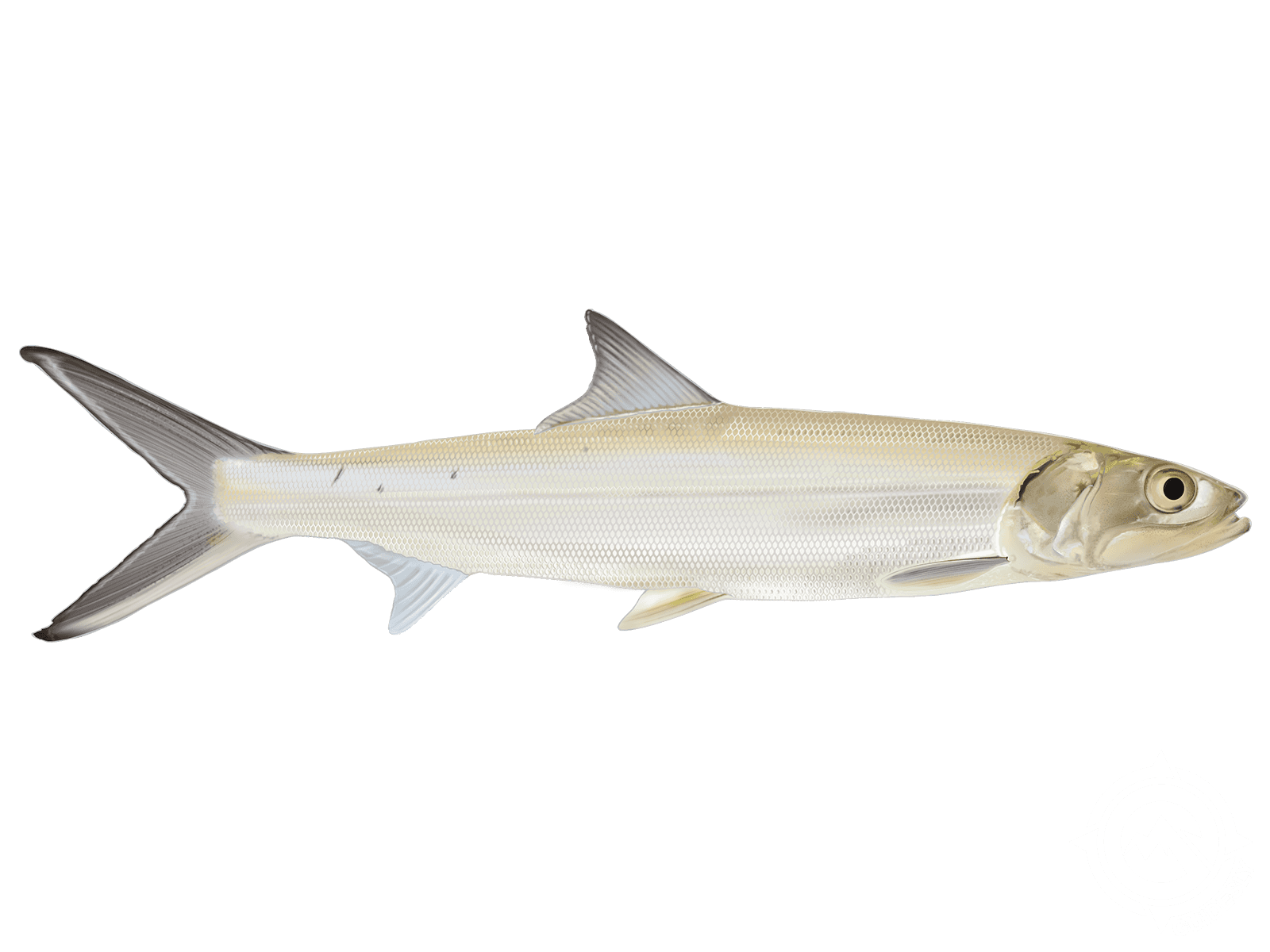
Ladyfish
Ladyfish earn their nickname "poor man's tarpon" with acrobatic jumps and silver sides that flash in Jacksonville's warm waters. These sleek fish typically measure 12-24 inches and provide non-stop action year-round in our inshore waters. You'll find them around docks, bridges, and shallow flats where they school up to hunt baitfish. While they're not great eating, kids absolutely love how ladyfish jump repeatedly when hooked, putting on a real show. They're perfect for teaching fishing basics since they're aggressive biters that hit almost any small lure or live shrimp. The constant action keeps everyone engaged, especially when schools move through. Fair warning though - use a heavy mono or fluorocarbon leader because these guys will thrash and twist trying to throw the hook. When you hook one, expect company - where there's one ladyfish, there's usually a whole school ready to bite.
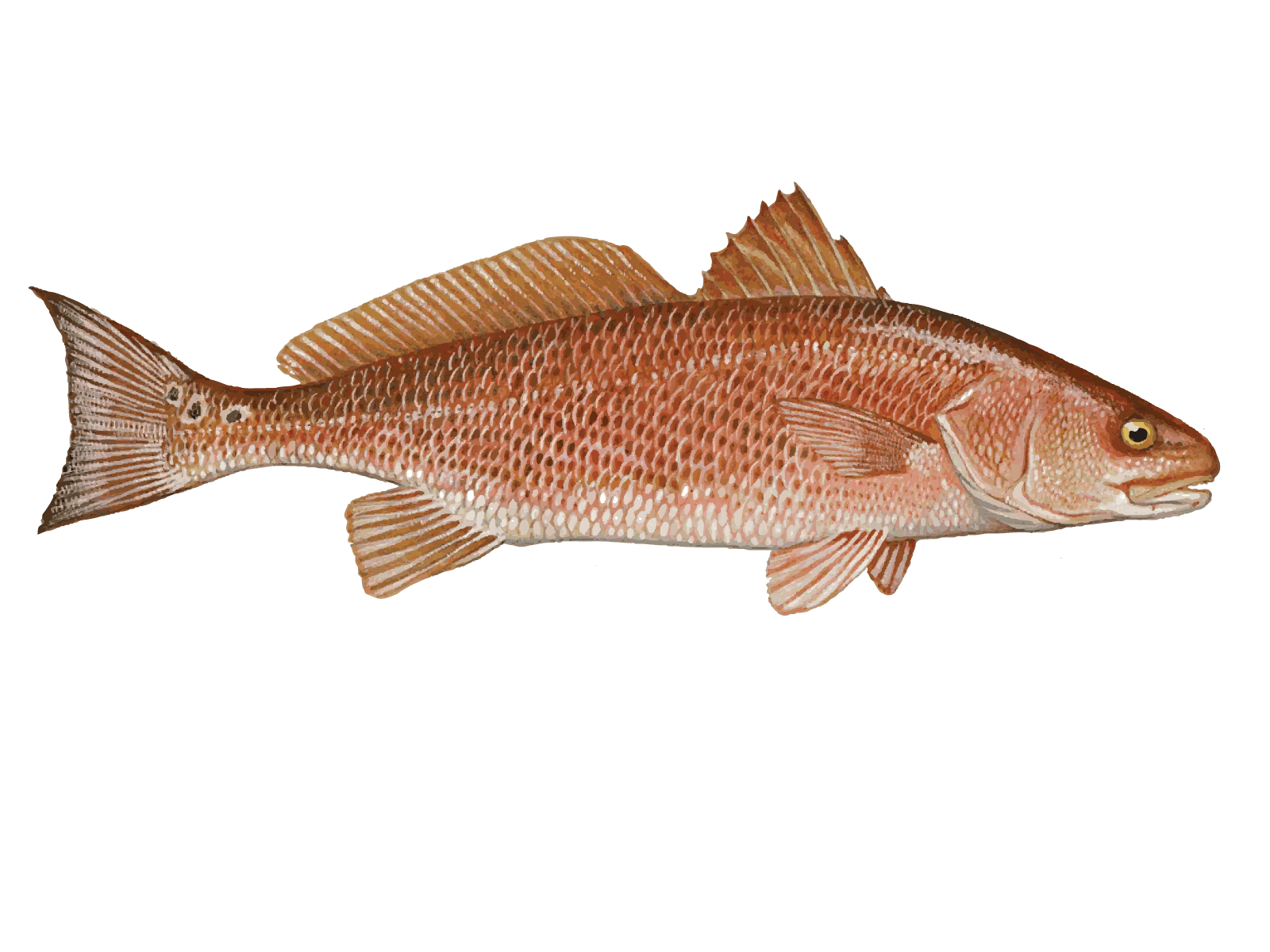
Redfish
Redfish are the gold standard for Jacksonville inshore fishing, with those copper-colored backs and distinctive black eyespots near the tail. Most fish we catch run 18-27 inches, though bigger "bull" reds over 30 inches provide serious fights in shallow water. Year-round fishing means families can target them anytime, but spring and fall offer the most consistent action in 1-4 feet of water around oyster bars and grass flats. What guests love most is sight-fishing - watching these bronze torpedoes cruise the shallows with their backs almost out of water. They're strong fighters that make long runs but don't jump, keeping things manageable for younger anglers. Plus, slot-sized fish make outstanding eating with firm, mild meat. My go-to trick: look for nervous water or subtle wakes in shallow areas. Cast ahead of cruising fish, not right on top of them, and work your bait slowly back toward their path.
Sea Trout
Spotted sea trout are perfect starter fish for families, running 12-16 inches on average with beautiful silver sides covered in distinctive black spots. Around Jacksonville, you'll find them in grass flats, shallow bays, and around dock lights in 2-6 feet of water. Spring through fall offers consistent action, but dawn and dusk are magic hours when they feed actively. Kids love the steady tug and how trout don't jump around like some species. The mild, flaky white meat makes them excellent table fare that even picky eaters enjoy. These fish are pretty forgiving, making them ideal for teaching basic techniques. Pro tip: use a popping cork with live shrimp about 18 inches below. Work it slowly over grass beds, giving it gentle pops to create noise and movement. Trout can't resist that combination of sound and motion.
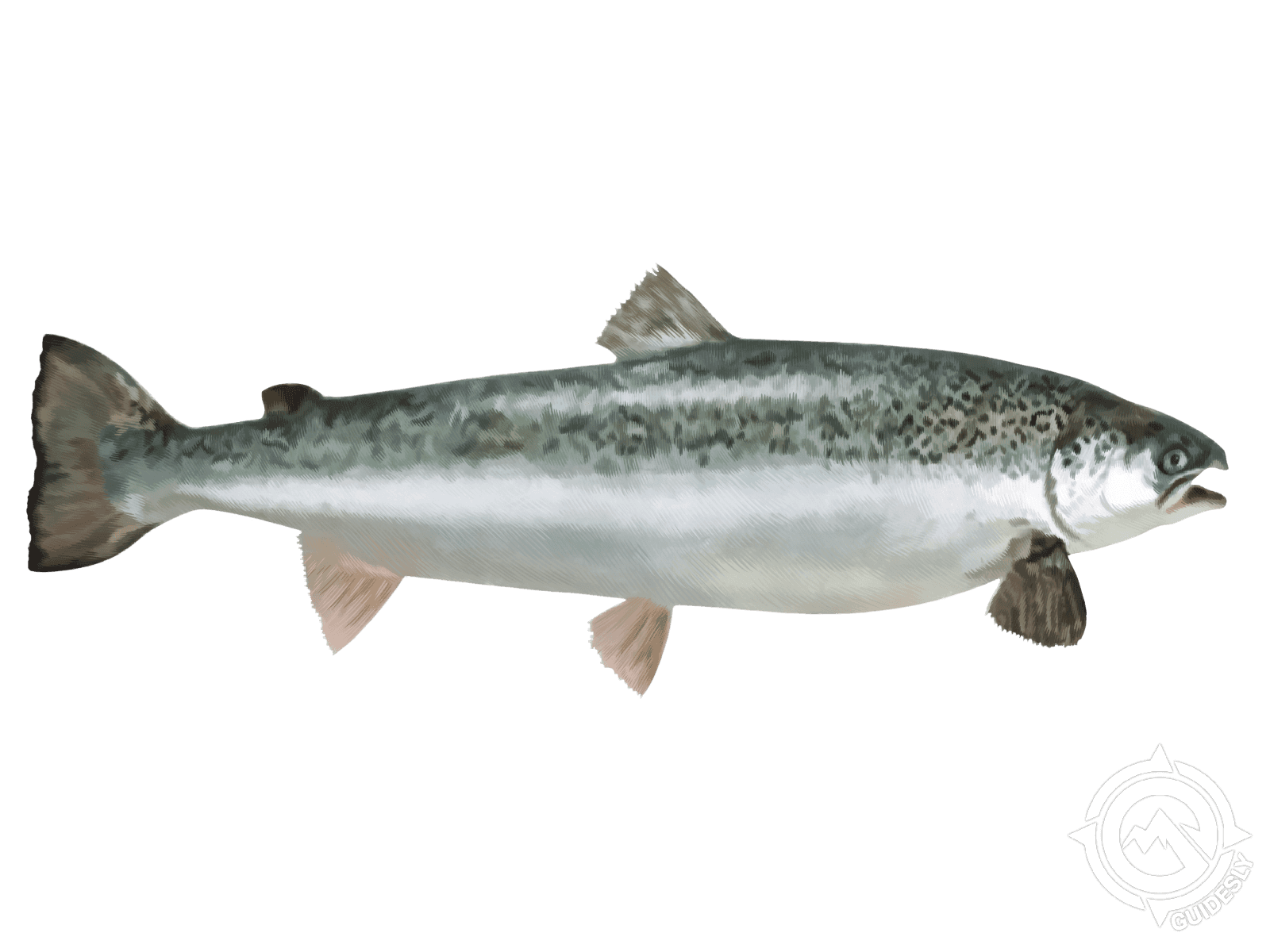
Summer Flounder
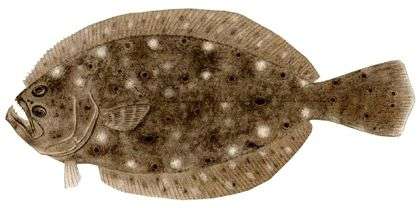
Summer flounder are the chameleons of our local waters, changing colors to match sandy bottoms in 8-25 feet of water around Jacksonville. These flatfish typically run 15-20 inches, though doormat-sized ones over 5 pounds make for great photo ops. Fall months from September through November are prime time when they're feeding heavily before their winter migration. What makes flounder special is watching kids' faces when they see both eyes on one side - it's always a teaching moment about how they adapted to bottom life. The white, flaky meat is fantastic eating and perfect for family fish fries. Here's the key: fish slow and stay patient. Flounder inhale baits softly, so when you feel that subtle weight or tap, count to three before setting the hook. They need time to turn that bait in their sideways mouth.
About the 22' Nautic Star
%2F%2Fusers%2Fe458cff1-f431-45d7-b4a6-cc34f630629d%2Fvehicle_picture%2Fprivate-fishing-charter-experience-jacksonville-mhv2l97q.png&w=1920&q=75)
Vehicle Guest Capacity: 4
Manufacturer Name: Suzuki
Maximum Cruising Speed: 20
Number of Engines: 1
Horsepower per Engine: 200