%2Ffit-in%2F250x250%2Fusers%2Fe458cff1-f431-45d7-b4a6-cc34f630629d%2Fimages%2F4f17947d-90f5-4fcc-9ab7-5df85ce5e36c.jpeg&w=1920&q=100)
/users/e458cff1-f431-45d7-b4a6-cc34f630629d/ratecard/jacksonville-inshore-boat-trip-mhv366lk.png)
%2F300x300%2Fusers%2Fe458cff1-f431-45d7-b4a6-cc34f630629d%2Fratecard%2Fjacksonville-inshore-boat-trip-mhv366lk.png&w=256&q=75)
%2F300x300%2Fusers%2Fe458cff1-f431-45d7-b4a6-cc34f630629d%2Fimages%2Fflorida-fishing-cruise-tour-2624.jpeg&w=256&q=75)
%2F300x300%2Fusers%2Fe458cff1-f431-45d7-b4a6-cc34f630629d%2Fimages%2Ffishing-cruises-florida-2326.jpeg&w=256&q=75)
%2F300x300%2Fusers%2Fe458cff1-f431-45d7-b4a6-cc34f630629d%2Fimages%2Ffishing-fun-jacksonville-beach-3125.png&w=256&q=75)
%2F300x300%2Fusers%2Fe458cff1-f431-45d7-b4a6-cc34f630629d%2Fimages%2Fbest-great-fishing-adventure-fl-3159.jpg&w=256&q=75)
%2F300x300%2Fusers%2Fe458cff1-f431-45d7-b4a6-cc34f630629d%2Fimages%2Ffishing-fun-florida-seas-2862.jpeg&w=256&q=75)
%2F300x300%2Fusers%2Fe458cff1-f431-45d7-b4a6-cc34f630629d%2Fimages%2Fjacksonville-beach-aquatic-adventures-2322.jpeg&w=256&q=75)
%2F300x300%2Fusers%2Fe458cff1-f431-45d7-b4a6-cc34f630629d%2Fimages%2Ffishing-fun-in-florida-2761.jpeg&w=256&q=75)
%2F300x300%2Fusers%2Fe458cff1-f431-45d7-b4a6-cc34f630629d%2Fimages%2Ffishing-fun-florida-sun-2761.jpeg&w=256&q=75)
%2F300x300%2Fusers%2Fe458cff1-f431-45d7-b4a6-cc34f630629d%2Fimages%2Ffishing-tour-florida-2990.jpeg&w=256&q=75)
%2F300x300%2Fusers%2Fe458cff1-f431-45d7-b4a6-cc34f630629d%2Fimages%2Fbest-great-fl-cruises-fishing-2405.png&w=256&q=75)
Top-Rated Beginner Fishing Charters in Jacksonville
 Jacksonville
What you will be catching:
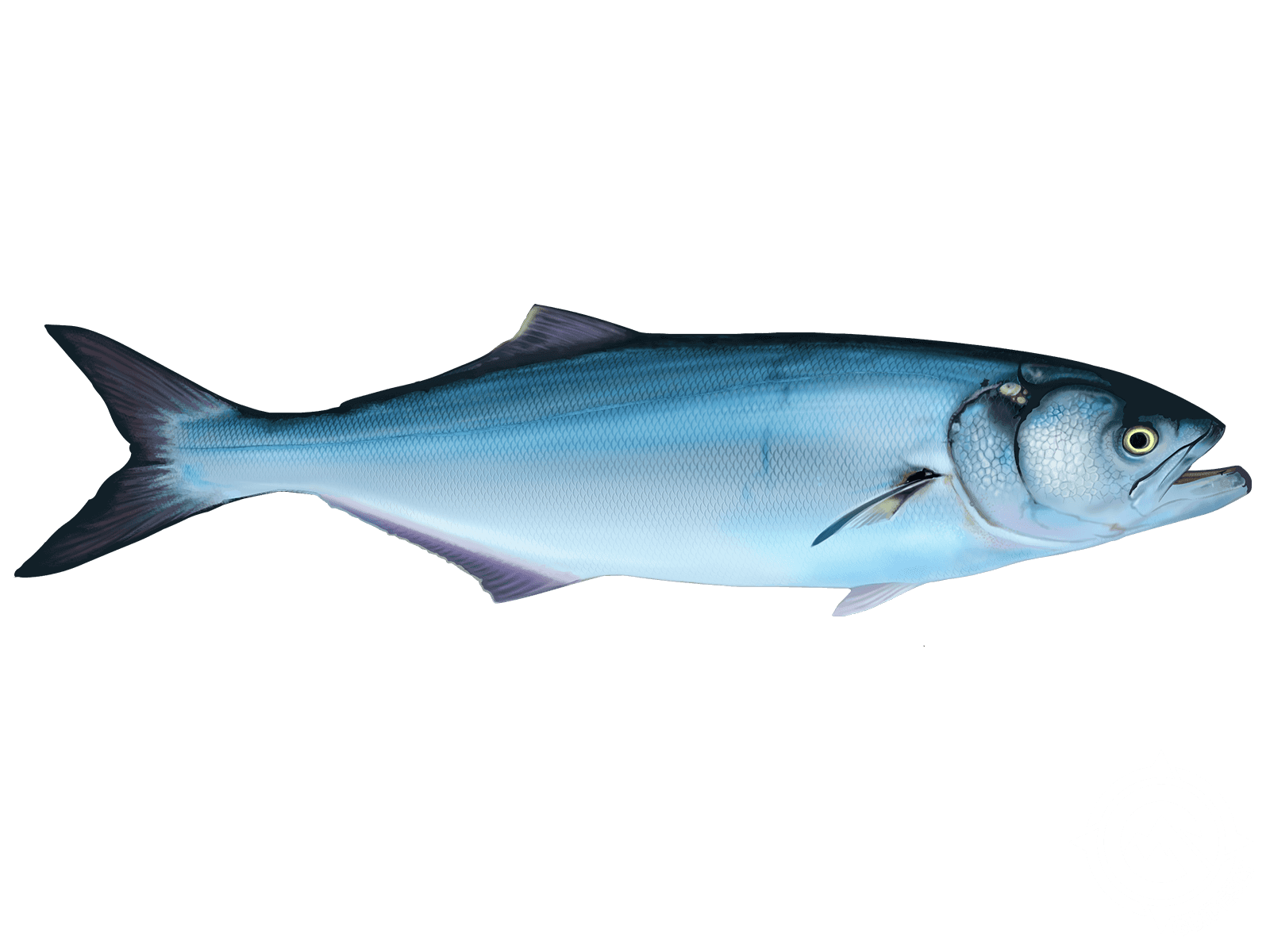
 Bluefish
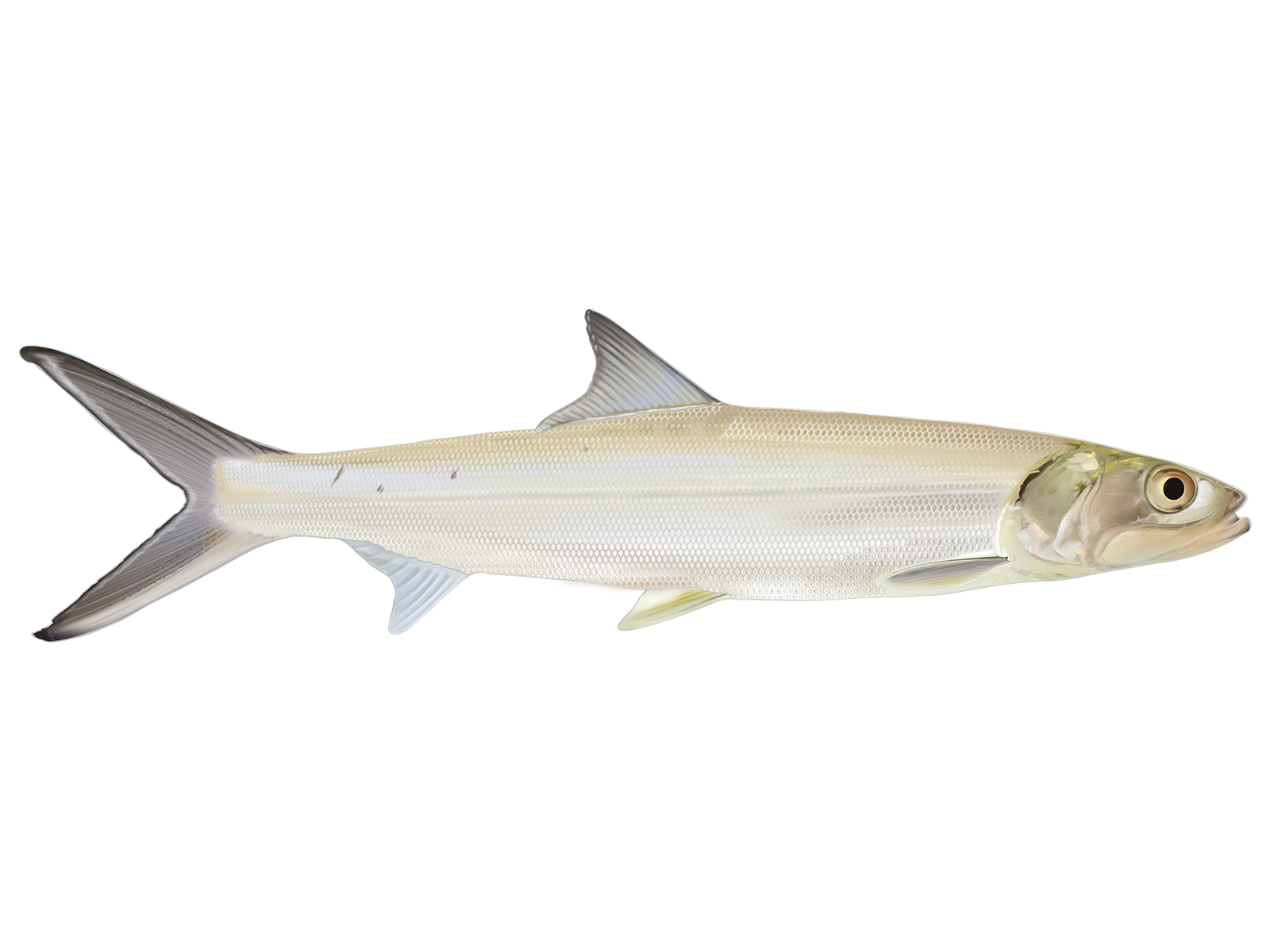 Ladyfish
 Redfish
 Sea Trout
 Summer Flounder
- This private Jacksonville fishing charter is perfect for anyone wanting to learn the ropes without feeling overwhelmed. Captain and crew from Daytripper Marine Services take up to 4 guests into Jacksonville's inshore waters, where you'll get hands-on instruction covering everything from reading the water to proper casting techniques. They provide all the gear and handle your fishing licenses, so you just show up ready to learn. The focus is on building real skills while targeting species like redfish, trout, and flounder in the shallow flats and backwaters. It's a relaxed pace with plenty of one-on-one guidance, making it ideal for families or small groups who want to actually understand what they're doing out there.
Trip Pricing and Availabilities:
Jacksonville Private Fishing Charters | Learn the Basics
Getting started in fishing can feel overwhelming, but that's exactly why we designed this beginner-friendly private charter. You'll spend the day on Jacksonville's productive inshore waters with a patient guide who genuinely enjoys teaching newcomers the ropes. Whether you've never held a rod or just want to sharpen your skills, this hands-on experience covers everything from basic casting to reading water conditions. With just four guests max, you get plenty of personal attention without feeling rushed or left behind.
What to Expect on the Water
Your day starts at one of Jacksonville's local marinas, where you'll meet your guide and get a quick rundown of the boat and safety basics. We keep things relaxed and conversational – no intimidating lectures or complex terminology. The inshore waters around Jacksonville offer perfect learning conditions, with calmer seas and consistent fish activity year-round. Your guide will start with simple techniques, showing you how to hold the rod properly, set the drag, and feel for bites. As your confidence builds, you'll learn to cast accurately near structure, adjust your retrieve speed, and recognize productive water. All fishing licenses and gear are included, so you can focus entirely on learning without worrying about equipment or regulations.
Techniques You'll Master
Inshore fishing in Jacksonville revolves around understanding structure and current flow, and your guide will break this down in simple terms. You'll start with live bait fishing around docks and creek mouths, learning to present baits naturally in the current. As the day progresses, you might try artificial lures like soft plastics or spoons, discovering how different retrieves trigger strikes from various species. Your guide will teach you to read the water – spotting nervous baitfish, identifying productive drop-offs, and recognizing how tide movement affects fish behavior. We use medium-action spinning rods paired with quality reels, perfect for learning proper technique without fighting heavy tackle. You'll also learn essential knots, proper hook-setting technique, and how to handle fish safely for photos or release.
Species You'll Want to Hook
Bluefish are aggressive predators that provide excellent action for beginners, typically ranging from 2-8 pounds in these waters. They're most active during spring and fall migrations, often feeding in schools that create surface commotion. Blues hit hard and fight with surprising strength, making them incredibly fun on light tackle. You'll find them around baitfish schools near jetties and inlet mouths, and they're forgiving targets that readily take both live and artificial baits.
Summer Flounder, or fluke, offer a completely different fishing experience that teaches patience and finesse. These flatfish can reach 20+ inches in Jacksonville waters, with the best action typically from late spring through early fall. They lie camouflaged on sandy bottoms near structure, requiring precise bait placement and subtle detection skills. Landing a nice fluke teaches you to feel light bites and set hooks with proper timing – skills that transfer to many other species.
Sea Trout are arguably Jacksonville's most reliable inshore target, active year-round in grass flats and creek systems. They average 14-18 inches but can exceed 20 inches, providing steady action perfect for building confidence. Trout respond well to artificial lures, making them ideal for learning retrieval techniques and lure presentation. They're also excellent table fare, so you might take a few home for dinner after mastering proper handling and icing techniques.
Redfish represent the crown jewel of Jacksonville inshore fishing, with their copper-colored bodies and distinctive black spots. These drum species average 18-27 inches in the slot limit, providing powerful fights that test your drag-setting skills. Reds are most active during warmer months, often tailing in shallow water where you can sight-fish to individual specimens. They're incredibly rewarding to catch because they require reading subtle environmental cues and precise bait presentation.
Ladyfish might be the most fun fish you've never heard of, earning the nickname "poor man's tarpon" for their acrobatic fights. These silver speedsters average 12-16 inches and jump repeatedly when hooked, providing non-stop entertainment on light tackle. They're abundant in Jacksonville's waters during warmer months, often schooling in large numbers that provide fast-paced action perfect for practicing hook-setting and fish-fighting techniques.
Time to Book Your Spot
This top-rated learning experience gives you the foundation to enjoy fishing for years to come, whether you plan to book future charters or fish on your own. With personalized instruction, quality equipment, and productive waters, you'll leave with genuine skills rather than just lucky catches. The small group size ensures everyone gets hands-on time with different techniques and species. Book your private Jacksonville inshore fishing charter today and discover why so many beginners choose Daytripper Marine Services for their first real fishing adventure. Space fills quickly, especially during prime fishing seasons, so reserve your educational day on the water now.
Learn more about the species
Bluefish
Bluefish are aggressive predators that put up a solid fight, making them great for beginners learning to handle stronger fish. These blue-green backed fighters typically run 3-15 pounds around Jacksonville, with sharp teeth that'll remind you to keep your fingers clear. You'll find them in our inshore waters during warmer months, especially around baitfish schools near jetties, piers, and sandy bottom areas. They're voracious feeders that hit everything from live shrimp to cut bait and spoons. Spring through fall gives you the best action when they're chasing menhaden and mullet. What guests love most is their aggressive strike and the way they fight all the way to the boat. The meat's excellent eating when fresh - just bleed them right away and keep them cold. Pro tip: when you see birds diving and water churning, that's likely a bluefish blitz. Cast into the chaos and hang on.
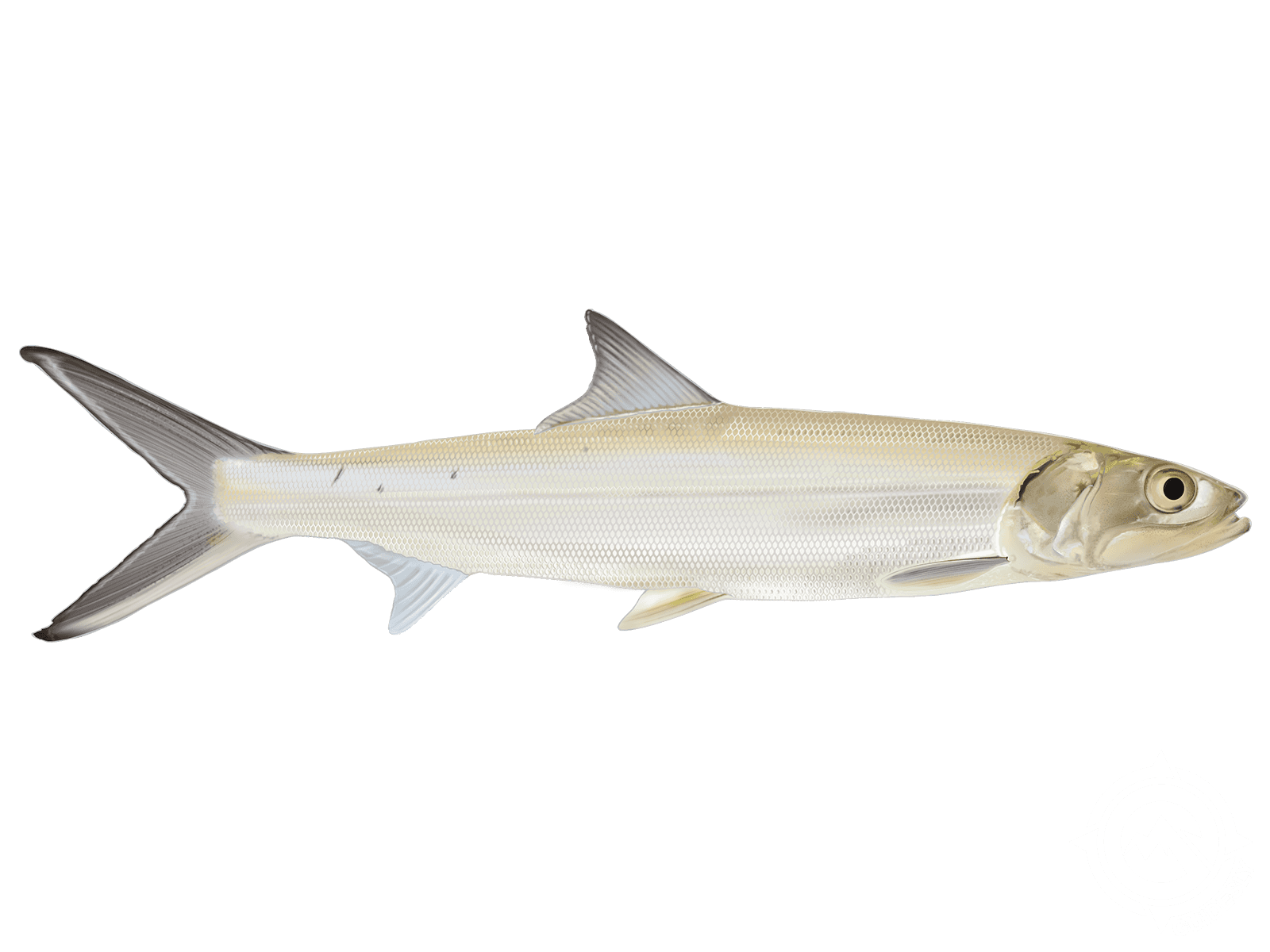
Ladyfish
Ladyfish are often called "poor man's tarpon" for good reason - they jump, run, and fight way above their weight class. These silver rockets typically measure 12-24 inches and provide non-stop action that's perfect for beginners wanting to experience what a real gamefish fight feels like. You'll find them around docks, bridges, and grass flats in shallow water, often in schools that'll keep your rod bent all day. They bite year-round but are most active during warmer months. While they're not great table fare, they make fantastic live bait for bigger fish like tarpon and snook. What guests love is their aerial acrobatics - they'll jump repeatedly and strip line like fish twice their size. They hit everything from live shrimp to small jigs and spoons. Watch for them breaking the surface chasing bait. My tip: use a wire leader because those small teeth are razor sharp and they'll cut through mono in seconds.
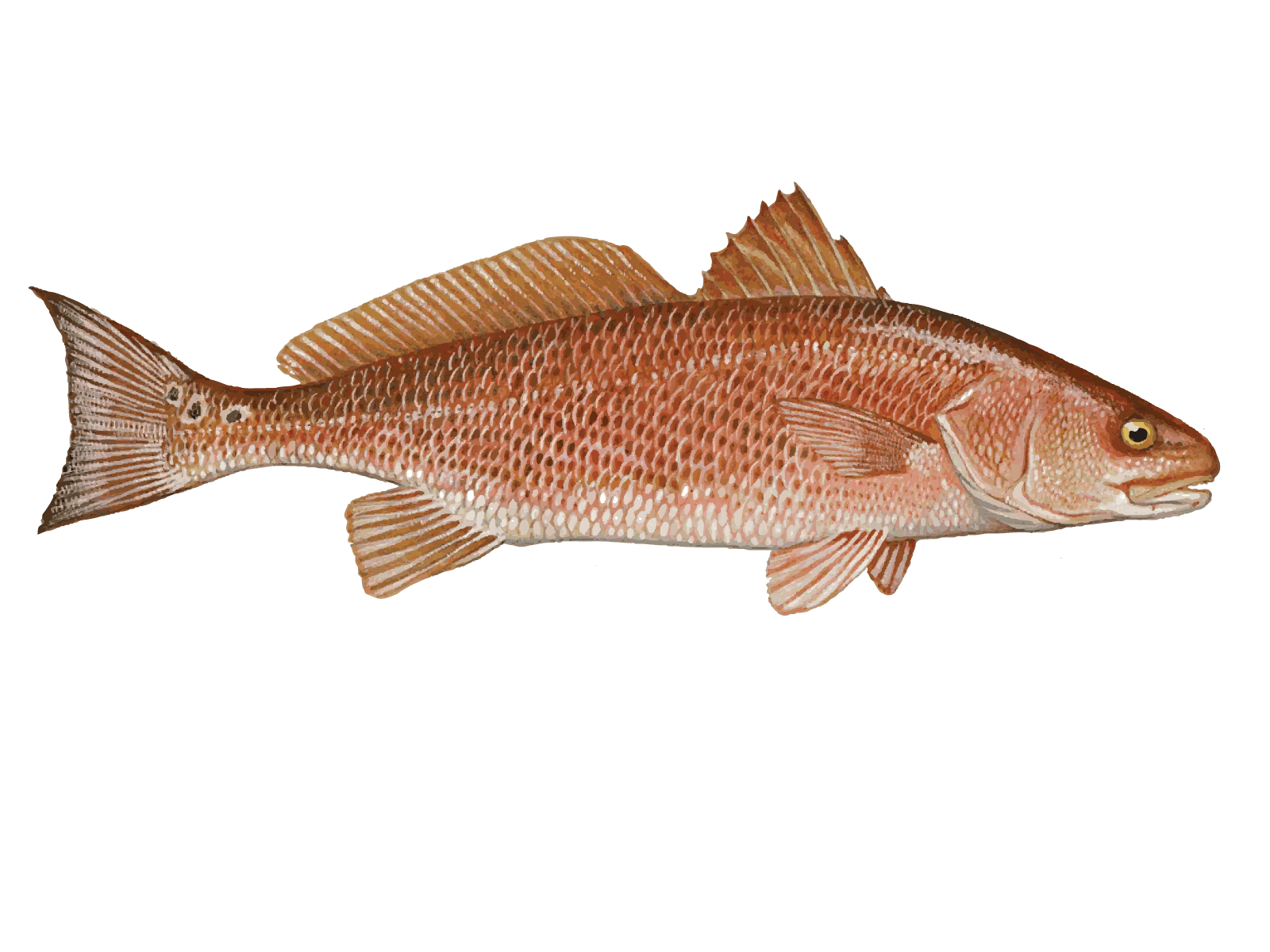
Redfish
Redfish are the bread and butter of our inshore fishing, known for their copper-bronze color and distinctive black spots near the tail. These powerful fish typically run 18-27 inches in our shallow waters, with bigger bulls offshore. You'll find them tailing in 1-4 feet of water around oyster bars, grass flats, and creek mouths year-round. What makes them special is their willingness to eat almost anything and their bulldogging fight style. They're excellent table fare with sweet, flaky meat. Spring and fall see the most aggressive feeding, but Jacksonville's mild climate keeps them active most of the year. They love live shrimp, cut mullet, and artificial baits like gold spoons or soft plastics. These fish use their powerful tails to make long runs into deeper water. Pro tip: look for nervous water or fish pushing wakes in skinny areas - that's usually redfish feeding. Approach quietly and make accurate casts ahead of their direction.
Sea Trout
Speckled trout are one of our most popular inshore targets, with their beautiful spotted sides and solid fighting ability. These sleek fish typically range 14-20 inches, though we regularly see 3-5 pounders that'll test your drag. They love our grass flats, especially around deeper pockets and channel edges where they ambush shrimp and small baitfish. Spring and fall offer the most consistent action, but they bite year-round in Jacksonville waters. What guests appreciate is their willingness to hit both live bait and artificials, plus they're fantastic table fare with mild, white meat. You'll find them in 2-8 feet of water around oyster bars, docks, and creek mouths. They're excellent fighters that make long runs when hooked. Try live shrimp under a popping cork or work soft plastics slowly along the bottom. The key is being quiet - these fish spook easily, so keep boat noise to a minimum when working the flats.
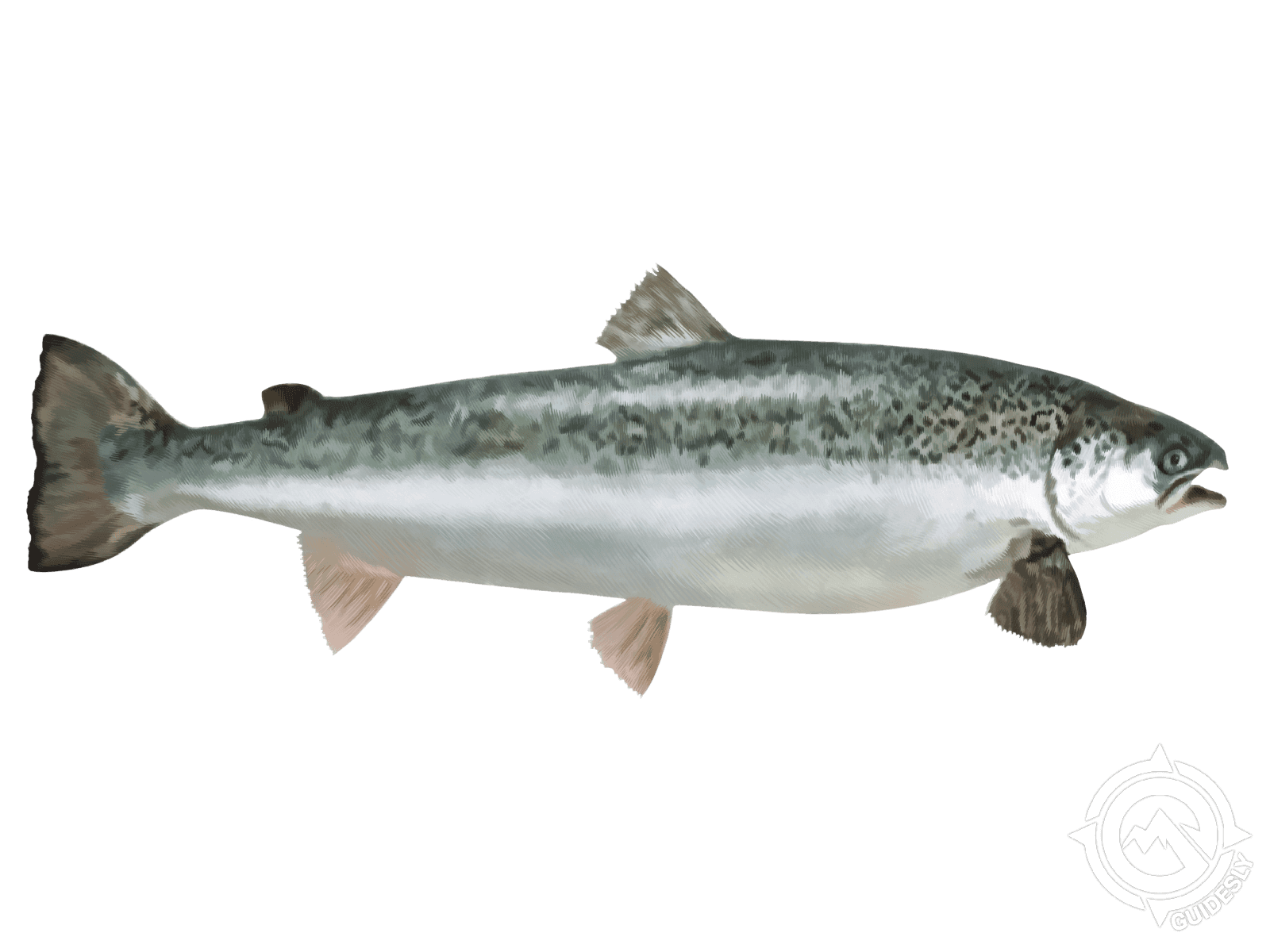
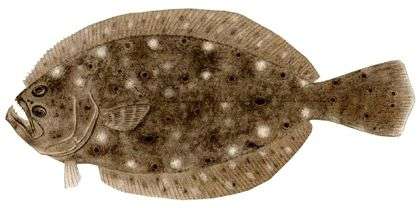
Summer Flounder
Summer flounder are masters of camouflage that lie flat on sandy and muddy bottoms, waiting to ambush baitfish swimming overhead. These flatfish typically run 15-20 inches around Jacksonville, though we occasionally see doormat-sized fish pushing 5+ pounds. You'll find them on grass flats, around structure, and along channel edges in 5-30 feet of water. Fall months from September through November give you prime action when they're feeding heavily before heading offshore. What makes them special is their unique fighting style - they don't jump but they pull hard and use that flat body like a dinner plate to create drag. The white, flaky meat is some of the best eating you'll find. They respond well to live mud minnows, finger mullet, and squid strips. My go-to tip: use a tandem rig with the bait on a short leader, and give them time to fully take the bait before setting the hook.
About the 22' Nautic Star
%2F%2Fusers%2Fe458cff1-f431-45d7-b4a6-cc34f630629d%2Fvehicle_picture%2Fprivate-fishing-charter-experience-jacksonville-mhv2l97q.png&w=1920&q=75)
Vehicle Guest Capacity: 4
Manufacturer Name: Suzuki
Maximum Cruising Speed: 20
Number of Engines: 1
Horsepower per Engine: 200